
What Is the Best Material for Dental Cabinets?
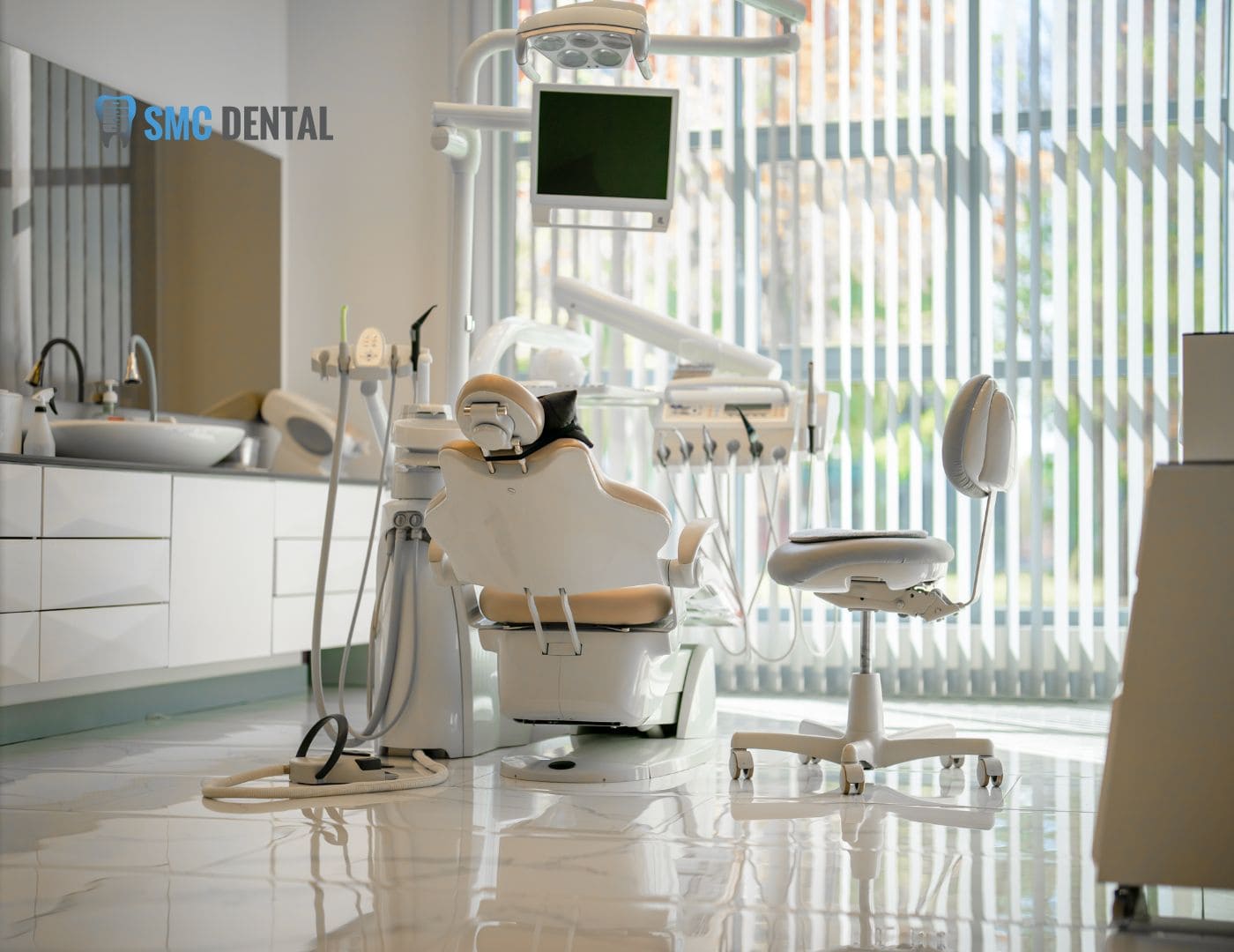
The best material for dental cabinets is not a single product but a combination: a moisture-resistant cabinet core, nonporous laminate or metal on exposed surfaces, solid surface countertops in wet areas, and wood kept to non-clinical spaces. Each part of a cabinet faces different conditions, so the right material depends on where it sits and what it has to withstand. This guide breaks down each option, where it performs best, and the Canadian requirements that affect your choice.
Key Takeaways
- Clinical surfaces must be smooth, nonporous, and able to handle hospital-grade disinfectants.
- High-pressure laminate is the most common exterior finish for clinical dental cabinets.
- Solid surface is the strongest choice for sinks, sterilization, and other wet zones.
- The cabinet core and edge sealing matter as much as the visible finish.
- In Ontario, wood furnishings must not be used in clinical areas.
What Makes a Material Right for Dental Cabinets?
Dental cabinets face moisture, chemicals, impact, and constant cleaning. A suitable material needs to hold up to all four without breaking down.
In Ontario, the Royal College of Dental Surgeons of Ontario's IPAC Standard sets clear expectations for clinical surfaces:
- Surfaces should be smooth, nonporous, and seamless where possible
- Materials should be cleanable with hospital-grade cleaners and disinfectants
- Cloth and wood furnishings must not be used in clinical areas
- Worn or damaged items that can't be properly cleaned should be replaced
The same standard lists common low-level disinfectants used in dental offices, including chlorine-based products, 0.5% accelerated hydrogen peroxide, 3% hydrogen peroxide, 60 to 95% alcohols, and quaternary ammonium compounds. Any material you choose should tolerate the products your team uses every day.
How Do Dental Cabinet Materials Compare?
| Material | Strengths | Watch-outs | Best use |
|---|---|---|---|
| High-pressure laminate (HPL) | Hard-wearing, wide colour range, cost-effective | Edges and seams must be sealed | Cabinet exteriors, doors, drawer fronts |
| Thermally fused laminate (melamine) | Smooth, easy to wipe, economical | Less impact-resistant than HPL | Cabinet interiors and shelving |
| Solid surface | Nonporous throughout, near-seamless, repairable, integrated sinks | Higher cost; avoid direct high heat | Countertops, sinks, sterilization areas |
| Quartz | Very hard, scratch-resistant, premium look | Visible seams; harder to repair | Reception and consult room counters |
| Metal (such as stainless steel) | Impact and chemical resistant | More clinical appearance; can show marks | High-wear zones, equipment areas |
| Hardwood | Warm, premium appearance | Not permitted in clinical areas in Ontario | Reception and patient-facing millwork |
What Is the Best Material for Each Part of a Dental Cabinet?
A dental cabinet has four main parts, and each one has different demands.
Cabinet Box (Core)
The core is the structure underneath the finish. Common options include plywood, particleboard, and medium-density fibreboard (MDF), often in moisture-resistant grades for clinical use.
Whatever the core, exposed edges need to be fully sealed, especially near sinks. Once water reaches an unsealed core, swelling and delamination usually follow.
Doors and Drawer Fronts
These are the most-touched surfaces in the room. High-pressure laminate is the most common choice because it resists daily wiping, impact, and staining. Simple, flat profiles are easier to clean than raised or detailed designs.
Countertops
Countertops take the most moisture and contamination. Solid surface works best around sinks and in sterilization areas, since seams can be joined nearly invisibly and sinks can be integrated into one continuous surface. Laminate countertops can work in drier zones if sink cutouts and edges are carefully sealed.
Interiors and Hardware
Interiors should be smooth and easy to wipe, which makes thermally fused laminate a practical choice. Drawer slides and hinges need to handle heavy daily use, and simple pulls are easier to disinfect than ornate hardware.
Which Material Works Best in Each Room?
- Operatories: HPL exteriors with solid surface around sinks and high-contact counters.
- Sterilization centre: Solid surface countertops with integrated sinks and splash barriers.
- Lab areas: Durable, chemical-resistant work surfaces such as solid surface or metal.
- Reception: Hardwood, quartz, or laminate, chosen for appearance and durability.
For room sizes and cabinet placement, see our operatory layout guide.
Which Canadian Regulations Affect Dental Cabinet Materials?
Beyond infection control, one federal regulation applies directly to cabinet cores. Canada's Formaldehyde Emissions from Composite Wood Products Regulations set emission limits for hardwood plywood, particleboard, MDF, and laminated products, which are widely used in cabinetry.
Under the regulations, these products must be tested, certified, and labelled before they're sold in Canada. When buying dental cabinets in Canada, ask your supplier to confirm that composite wood components comply, especially for imported cabinetry.
How Should You Choose Materials With Your Supplier?
Bring these questions to any cabinetry conversation:
- Which core material do you use, and is it moisture-resistant?
- How are edges and sink cutouts sealed?
- Which materials do you recommend for each room, and why?
- Are your finishes compatible with our disinfectants?
- Do composite wood components meet Canadian formaldehyde requirements?
SMC Dental Inc., based in Concord, Ontario, offers dental cabinets in laminates, hardwoods, and metals, along with matching office millwork. Material selection is part of its design and installation process.
Frequently Asked Questions
What is the most durable material for dental cabinets?
For clinical areas, high-pressure laminate exteriors paired with solid surface or metal work surfaces offer the best balance of durability and cleanability.
Is laminate or solid surface better for dental countertops?
Solid surface is better in wet areas because it's nonporous throughout and can include integrated sinks. Laminate works well in drier zones at a lower cost.
Can wood be used in a dental office?
Yes, in non-clinical areas like reception. In Ontario, the RCDSO standard states that wood furnishings must not be used in clinical areas.
Is particleboard acceptable for dental cabinets?
It can be, if it's a moisture-resistant grade with fully sealed edges and meets Canadian formaldehyde emission requirements. Edge sealing near water is critical.
Which materials hold up best to disinfectants?
Nonporous materials such as high-pressure laminate, solid surface, and stainless steel generally tolerate frequent cleaning well. Always confirm compatibility with each material's care guidance.
Choosing the Best Material for Dental Cabinets
So, what is the best material for dental cabinets? It's the right combination: sealed, moisture-resistant cores, laminate exteriors, solid surface in wet zones, metal where wear is highest, and wood only where patients relax rather than receive treatment. Matching each material to its job gives you cabinets that stay compliant and look good for years.
If you're planning cabinetry for your practice, you can contact SMC Dental Inc. or call 1-888-402-2278.