
Opening a Dental Practice in Canada: The Ultimate Guide for Canadian Dentists
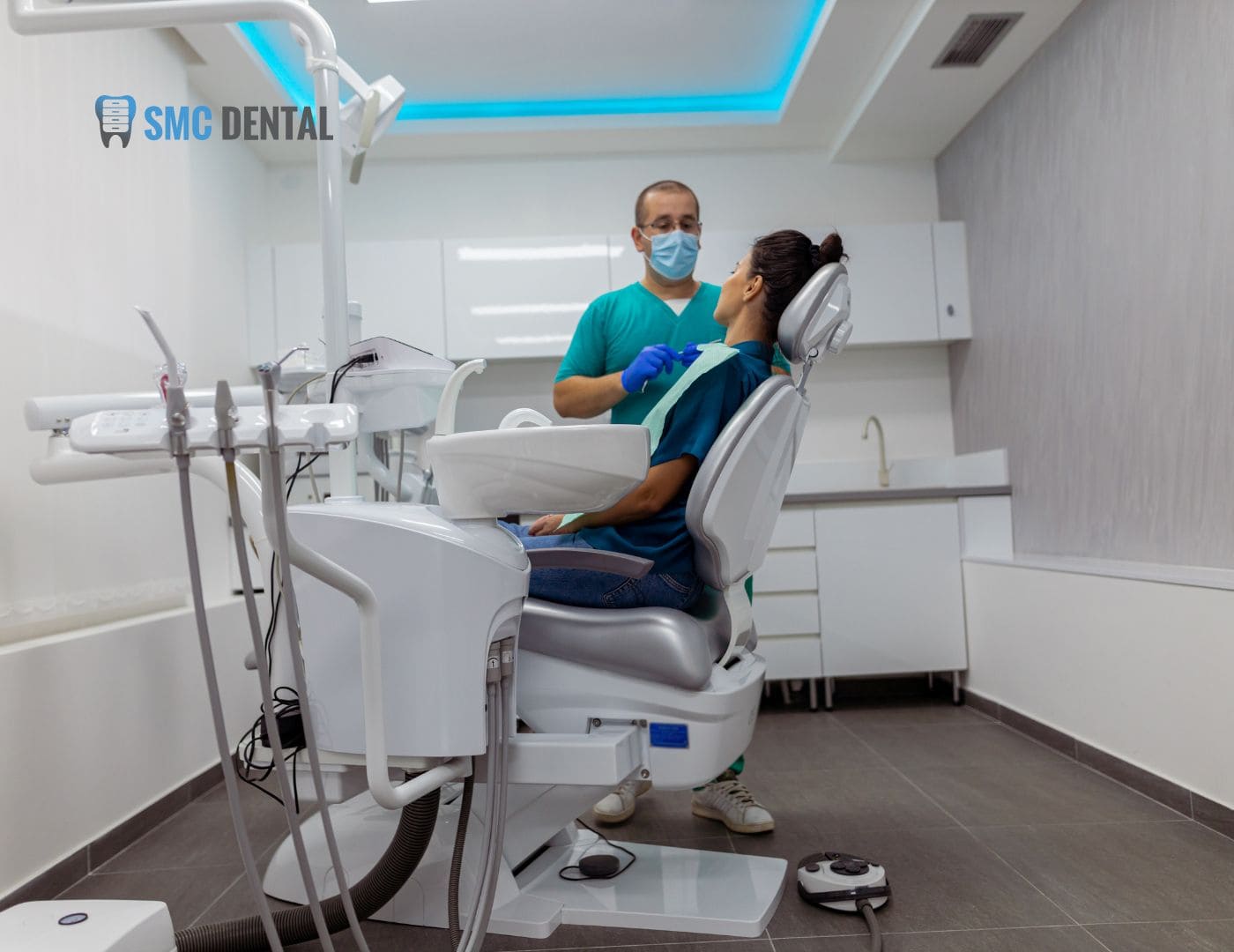
Opening a dental practice in Canada involves five major workstreams: choosing your business model, securing financing, meeting provincial licensing and regulatory requirements, finding the right location, and designing and equipping the office. Most delays and budget overruns happen when these steps are tackled out of order. This guide lays out the sequence, the main cost categories, and the Canadian requirements you'll need to plan for.
Key Takeaways
- Decide between a startup and an acquisition before committing to a location or loan.
- Dental regulation is provincial, so confirm requirements with your provincial regulator early.
- Construction, equipment, and cabinetry are the largest startup costs.
- Site selection should account for plumbing, electrical, and X-ray planning, not just visibility.
- Holding a contingency reserve protects your opening date and cash flow.
What Are the Steps to Opening a Dental Practice in Canada?
Most new practices follow a similar path:
- Define your practice model: General or specialty, patient demographics, and growth plans.
- Choose startup or acquisition: Build new or buy an existing practice.
- Build a business plan: Projected revenue, expenses, staffing, and break-even timing.
- Secure financing: Loans, equipment financing, and lease incentives.
- Set up the business structure: Incorporation, registrations, insurance, and banking.
- Select and lease a location: Review demographics, building systems, and lease terms.
- Design the office: Space planning, equipment selection, cabinetry, and compliance review.
- Build and equip: Construction, rough-ins, equipment installation, and inspections.
- Hire and train your team: Clinical, administrative, and infection control training.
- Launch: Patient systems, insurer setup, marketing, and opening.
Should You Start From Scratch or Buy an Existing Practice?
| Factor | Startup | Acquisition |
|---|---|---|
| Patient base | Built from zero | Existing patients and cash flow |
| Design control | Full control over layout and equipment | Inherited layout, may need renovation |
| Upfront investment | Construction and equipment | Purchase price, often including goodwill |
| Main risk | Slower ramp-up to profitability | Outdated equipment or compliance gaps |
If you buy a practice, inspect the sterilization area, X-ray documentation, and equipment age carefully. These areas often need upgrades shortly after purchase.
What Does It Cost to Open a Dental Practice?
The cost of opening a dental practice depends mainly on operatory count, location, and the condition of the space. Published Canadian reference ranges put a standard build-out of two to three operatories in an unimproved commercial space at roughly $200,000 to $400,000, with larger four-to-six operatory practices in major cities often exceeding that. Equipment is frequently priced separately.
Your budget will typically include these categories:
| Cost category | What drives it |
|---|---|
| Leasehold improvements | Space condition, plumbing and electrical work, X-ray shielding |
| Dental equipment | Chairs, delivery units, imaging, sterilizers, vacuum and compressor |
| Cabinetry and millwork | Room count, materials, customization |
| Technology | Practice management software, networking, digital imaging |
| Professional fees | Legal, accounting, design, and permit costs |
| Working capital | Payroll, rent, and supplies before revenue stabilizes |
Dental fit-outs are prone to overruns because of complex plumbing and mechanical coordination. Many planners recommend holding a contingency of 15 to 20 percent.
How Do Dentists Finance a New Practice?
Most new owners combine several sources:
- Practice loans: Many Canadian lenders offer financing programs for healthcare professionals.
- Equipment financing or leasing: Spreads equipment costs over time.
- Tenant improvement allowances: Some landlords contribute to build-out costs, so negotiate this in your lease.
What Licences and Registrations Do You Need?
Dentistry is regulated provincially, so requirements vary by province. Common items include:
- Licence to practise: Issued by your provincial dental regulator.
- Professional corporation: If you incorporate, your regulator may require registration. In Ontario, health profession corporations register with the RCDSO.
- X-ray registration and approval: In Ontario, new dental X-ray installations need plan approval from the Ministry of Health's X-ray Inspection Service.
- Privacy compliance: Patient information must be handled under applicable privacy law, such as PHIPA in Ontario.
- Business registrations: Business name, tax accounts, and payroll setup.
Should You Participate in the Canadian Dental Care Plan?
Participation is voluntary, but it is widespread. Health Canada's 2024–2025 CDCP annual report states that 90% of eligible oral health providers were actively participating as of June 2025, and providers can take part on a claim-by-claim basis. Note that CDCP fees are set independently from provincial fee guides, so factor them into your revenue projections.
How Do You Choose the Right Location?
A good location balances patient access with building suitability:
- Demographics: Population growth, age mix, and existing dentist density.
- Access: Parking, transit, visibility, and barrier-free entry.
- Plumbing and drains: Access for operatory water, suction, and drainage.
- Electrical capacity: Enough power for chairs, imaging, and mechanical equipment.
- Lease terms: Term length, renewal options, use clauses, and improvement allowances.
Have a designer or contractor review a space before you sign. Expensive surprises like inadequate drains are far easier to address before the lease is final.
How Should You Plan the Office Design and Build?
Start with your operatory count and clinical workflow, then layer in equipment, compliance, and finishes. For room sizes and cabinet placement, see our operatory layout guide.
Key requirements to plan early:
- Infection control: In Ontario, the RCDSO's IPAC Standard requires a reprocessing area with one-directional workflow and clear dirty and clean separation.
- Amalgam separation: National best practices call for an ISO 11143-certified amalgam separator.
- Lead times: Order equipment and cabinetry early, since delays here commonly push back opening dates.
SMC Dental Inc., based in Concord, Ontario, designs, builds, and installs custom dental cabinets and office millwork. More detail on its design and installation process is available on its website.
Frequently Asked Questions
How long does it take to open a dental practice in Canada?
Timelines vary with location, permits, construction scope, and equipment lead times. Plan for several months of design, approvals, and construction before opening.
How many operatories should a new practice start with?
Many startups open with fewer finished operatories while roughing in plumbing and power for future rooms. This controls upfront cost while leaving room to grow.
Is it better to buy or start a dental practice?
Buying offers immediate patients and cash flow, while starting new gives full control over design and equipment. The right choice depends on your finances, location, and goals.
Do I need to incorporate my dental practice?
Not necessarily, but many dentists incorporate for tax and liability reasons. If you do, your provincial regulator may require the corporation to be registered.
What is the biggest mistake when opening a dental practice?
Signing a lease before confirming the space can support dental plumbing, electrical, and X-ray requirements. Have the space reviewed first.
Planning Your Path to Opening Day
Opening a dental practice is easier to manage when each decision follows the right order: model, financing, structure, location, design, and build. Planning compliance, contingency funds, and equipment lead times early protects both your budget and your opening date.
If you're planning cabinetry for a new practice, you can contact SMC Dental Inc. or call 1-888-402-2278.
Pricing Disclaimer
The cost ranges in this article are general published estimates for planning purposes only, in Canadian dollars as of 2026. They are not quotes or guaranteed prices. Actual costs vary based on location, practice size, equipment, site conditions, and project scope. Consult your accountant, lender, and project team before making financial decisions.