
Dental Operatory Setup: Equipment, Storage and Instruments
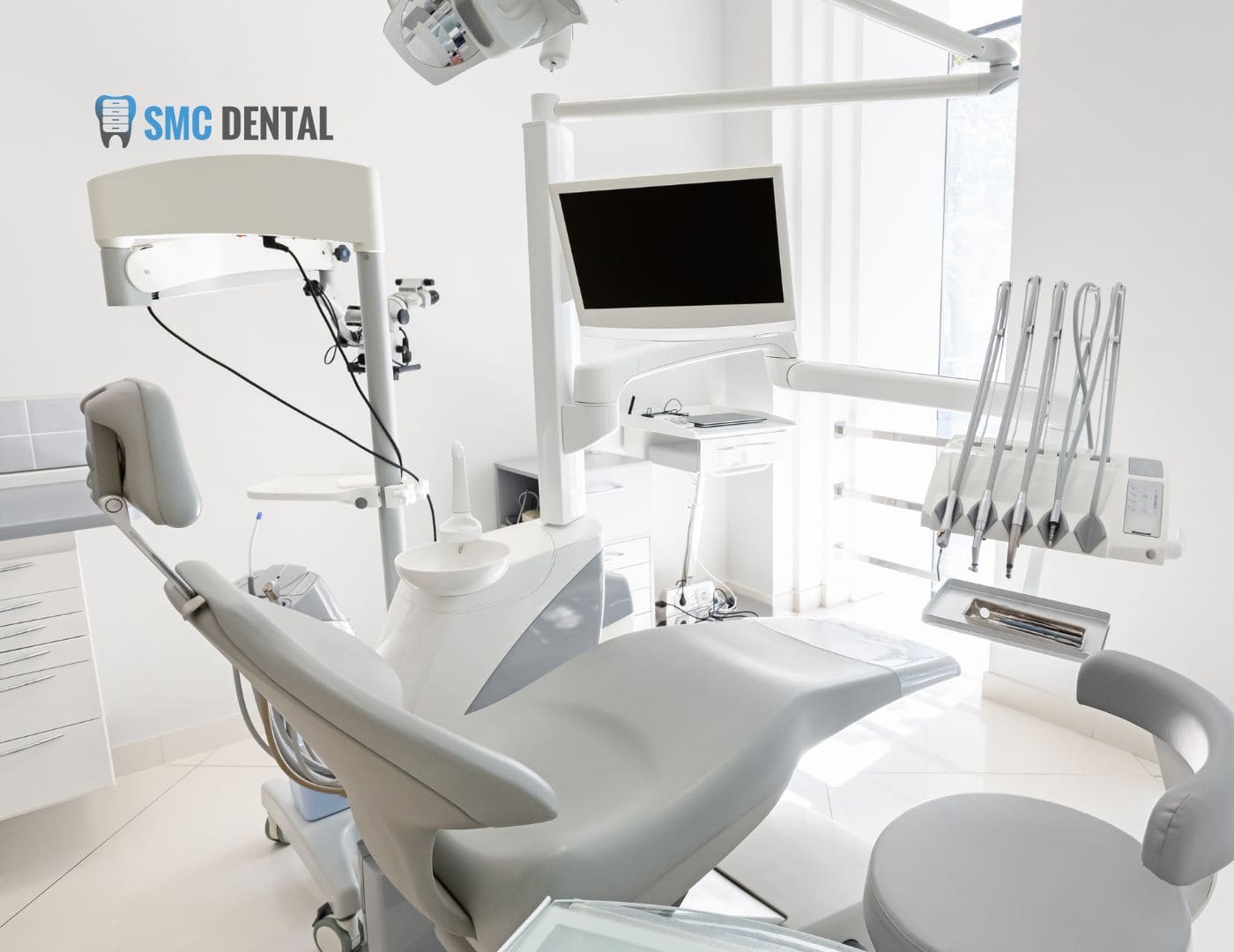
A strong dental operatory setup puts the right equipment within reach, keeps supplies organized, and moves instruments cleanly from sterile storage to the patient and back to reprocessing. When those three pieces work together, appointments run faster, cleanup between patients is simpler, and infection control becomes part of the routine rather than an extra step.
Key Takeaways
- Every operatory needs core equipment for treatment, imaging, suction, and hand hygiene.
- Organize storage by how often items are used, keeping daily supplies closest to the chair.
- Countertops should stay clear to make disinfection between patients fast and thorough.
- Instruments should follow a one-way loop from sterile storage to reprocessing.
- Well-planned operatory cabinets make the whole setup easier to repeat and maintain.
What Equipment Does a Dental Operatory Setup Need?
Most general dentistry operatories share the same core equipment. The specifics vary by specialty, but each item needs a planned home, power, and, in many cases, plumbing or suction.
| Equipment | What it does | Setup consideration |
|---|---|---|
| Patient chair | Positions the patient for treatment | Fixes the room's centre point and utility locations |
| Delivery system | Holds handpieces, air/water syringe, and controls | Rear, side, or chair-mounted; decides cabinet layout |
| Operating light | Illuminates the treatment field | Ceiling, chair, or track mount; needs structural support |
| Suction (HVE and saliva ejector) | Controls fluids, debris, and spatter | Positioned for easy assistant access |
| Intraoral X-ray and sensors | Captures diagnostic images chairside | Wall or cabinet mount; affects room approval in Ontario |
| Monitors and computer | Charting, imaging, and patient education | Visible to clinician and patient; cables routed inside cabinetry |
| Hand-hygiene sink | Dedicated hand washing | Close to point of care; hands-free faucet if renovating |
Beyond these essentials, many practices add intraoral scanners, curing lights, and specialty devices. Leaving room and power for future equipment saves costly changes later.
How Should Storage Be Organized in a Dental Operatory Room?
The simplest rule for a dental operatory room is to store items by how often you use them. The more frequently a supply is needed, the closer it should sit to the chair.
- Every patient: Gloves, masks, barriers, bibs, and disposable tips go in drawers closest to the working team.
- Most appointments: Restorative materials, anesthetic, and common tray setups belong within the room's main cabinetry.
- Occasional use: Backup stock and specialty kits fit in upper storage or a central supply area.
Shallow drawers with dividers work well for small supplies, because staff can see everything at a glance. Deeper drawers suit cassettes and bulkier items.
What Should Stay Off the Countertops?
As much as possible. The Royal College of Dental Surgeons of Ontario's IPAC Standard calls for treatment areas to be well organized and free of unnecessary equipment and supplies, especially on countertops.
Clear counters make between-patient disinfection faster and more thorough. Enough drawer storage is what makes clear counters realistic during a busy day.
How Should Sterile Instruments Be Stored in the Operatory?
Sterile packs belong in closed cabinets or drawers. The RCDSO standard says sterile items must not be stored under sinks or on counters next to sinks, where they could become wet or contaminated.
Instruments should also stay wrapped until they're ready for use. That makes enclosed, dry storage near the chair an important part of operatory cabinet planning.
How Should Instruments Flow Through the Operatory?
Good instrument flow is a one-way loop. Clean instruments arrive, get used, and leave for reprocessing without ever crossing paths with sterile supplies.
- Sterile storage: Wrapped trays or cassettes wait in closed operatory storage.
- Setup: The assistant opens the pack at a clean chairside area just before treatment.
- Treatment: Instruments stay on the tray, while extra items are retrieved with clean hands or transfer forceps.
- Containment: After treatment, used instruments go into a puncture-resistant covered container or locked cassette at the point of use.
- Transport: The closed container travels to the dirty side of the sterilization area.
- Reprocessing: Instruments are cleaned, packaged, sterilized, and returned to operatory storage.
Steps 4 and 5 come directly from the RCDSO standard, which requires contaminated instruments to be contained at the point of use before transport. Planning a dedicated landing spot for that container keeps it off clean surfaces.
Should You Use Trays or Cassettes?
Both can work well. The choice affects how you size your drawers:
- Cassettes: Instruments stay locked in place from treatment through sterilization, which reduces handling and sharps risk.
- Trays with pouches: More flexible for varied procedures, but they require more sorting and packaging time.
Whichever you choose, measure your cassettes or trays before finalizing cabinet drawers. Storage built around the exact size wastes far less space.
How Do Dental Operatory Cabinets Support the Setup?
Dental operatory cabinets tie equipment, storage, and instrument flow together. Each placement plays a different role:
- Rear cabinet: Often houses the delivery system and assistant instruments, keeping equipment out of the patient's view.
- Side cabinets: Hold sinks, sharps, supplies, and monitors within reach of each working side.
- Mobile cabinets: Add flexibility for procedure-specific tools without widening fixed cabinetry.
For multi-location groups, standardizing cabinet layouts across rooms also helps. Staff can move between operatories or clinics and find supplies in the same place every time.
For room dimensions and cabinet placement, see our operatory layout guide for Ontario practices.
How SMC Dental Inc. Supports Your Operatory Setup
Based in Concord, Ontario, SMC Dental Inc. designs, crafts, and installs custom dental cabinetry for practices across Ontario and beyond. Cabinetry is planned around your equipment, supplies, and workflow instead of a fixed catalogue layout.
- Planned around your workflow. SMC's cabinetry design and installation service considers workflow, storage requirements, and infection control from the start, with installation scheduled to minimize disruption.
- Storage built for clinical use. Custom operatory cabinets can include specialized storage for instruments and supplies, easy-to-clean surfaces, and integrated infection control features.
- A consistent look throughout. Matching reception and office millwork carries the same style across your practice.
Frequently Asked Questions
What is a dental operatory setup?
A dental operatory setup is how equipment, storage, and workflow are arranged in a treatment room. It covers where the chair, delivery system, supplies, and instruments sit, and how items move in and out of the room.
What equipment is essential in a dental operatory?
Most operatories need a patient chair, delivery system, operating light, suction, imaging, a computer or monitor, and a dedicated hand-hygiene sink. Specialty rooms may add scanners, lasers, or surgical equipment.
How do you organize supplies in a dental operatory?
Store supplies by frequency of use. Keep daily items in drawers closest to the chair, common materials in the main cabinetry, and backup stock in upper or central storage.
Where should used instruments go after treatment?
Used instruments should go into a puncture-resistant covered container or locked cassette at the point of use. From there, they travel to the dirty side of the sterilization area.
Can I improve my operatory setup without renovating?
Often, yes. Reorganizing storage, adding drawer dividers, or replacing outdated cabinetry can improve workflow without moving plumbing or walls.
Build a Dental Operatory Setup That Works Every Day
A strong dental operatory setup combines the right equipment, storage organized by use, and a clean one-way flow for instruments. When cabinetry is planned around those three elements, your team spends less time searching and more time treating patients.
Planning new operatories or upgrading existing ones? Request a consultation with SMC Dental Inc., or call 1-888-402-2278 to discuss your project.