
Buying Dental Cabinets: Direct From the Maker vs Through Your Dealer
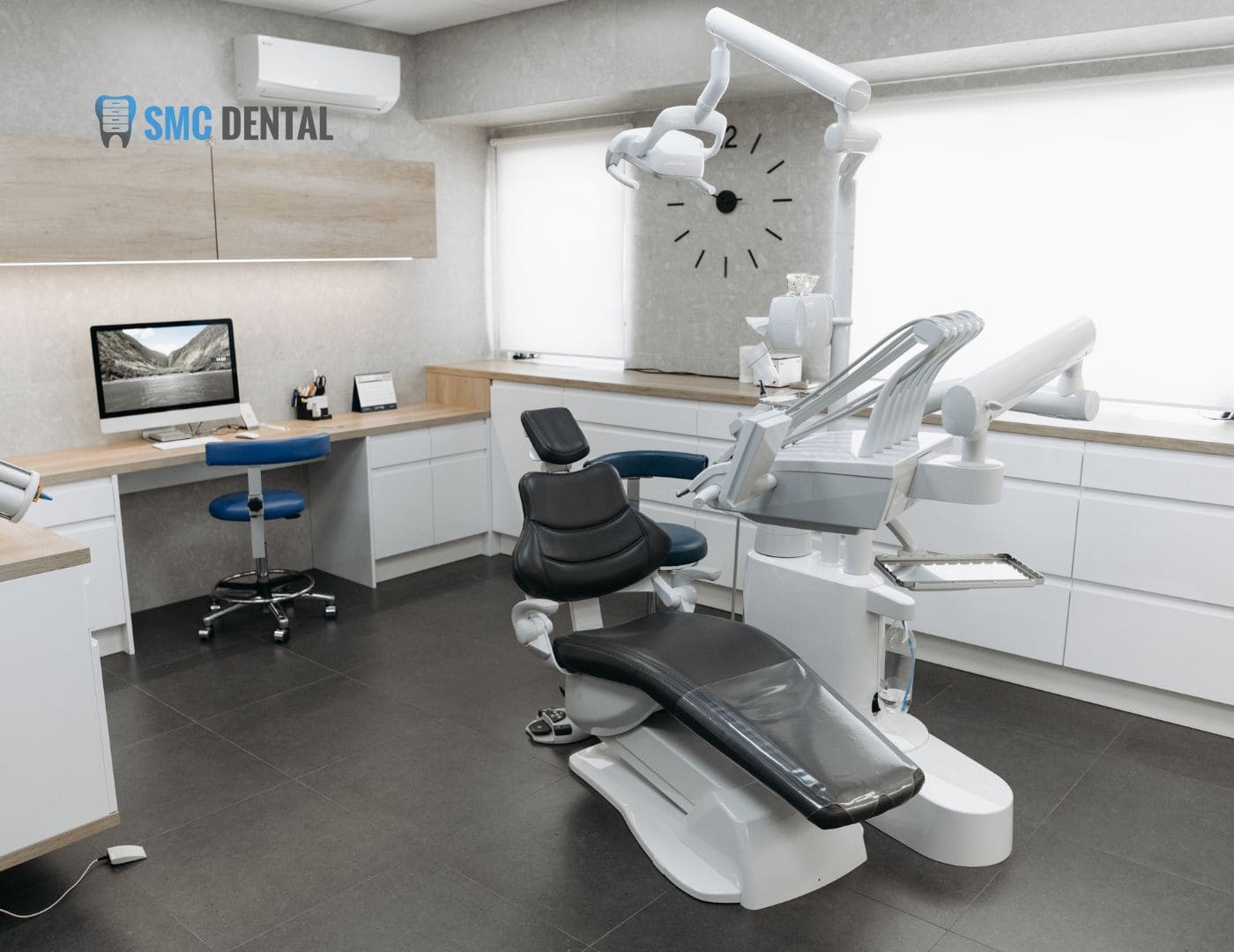
Dental practices in Canada usually buy cabinetry one of two ways: directly from the company that designs and builds it, or through the equipment dealer supplying their chairs and delivery units. Neither route is better in every case. The right choice among dental cabinets suppliers depends on how custom your space is, who you want managing coordination, and how much control you want over design details.
Key Takeaways
- Buying direct gives you a single point of contact for cabinet design, fabrication, and installation.
- Buying through a dealer bundles cabinetry with equipment but usually limits you to specific product lines.
- The biggest risks in either route are unclear scope and poor coordination between trades.
- In Ontario, cabinet materials and any built-in electrical components must meet provincial requirements.
- Many practices combine both: equipment from a dealer, cabinetry from a maker.
How Does Each Buying Route Work?
Direct from the maker. You work with a cabinetry company that designs your layout, produces shop drawings, builds the cabinets, and often installs them. You approve drawings directly with the people building the product.
Through your dealer. Your dental equipment dealer includes cabinetry in your equipment package, usually sourced from one or more manufacturers they represent. The dealer's representative or project team becomes your main point of contact.
Combined. Your dealer supplies equipment while a cabinet maker supplies cabinetry and millwork. Both work from the same floor plan and equipment specifications.
Who Is Responsible for What?
Most problems in dental fit-outs happen at the handoffs between trades. Before choosing a route, confirm who owns each task:
| Task | Direct from maker | Through dealer |
|---|---|---|
| Cabinet design and drawings | Maker | Dealer, often with the manufacturer |
| Equipment specifications | You or your dealer provide them to the maker | Dealer |
| Utility rough-in locations | Confirmed between maker, dealer, and contractor | Dealer and contractor |
| Design changes | Handled directly with the maker | Routed through the dealer to the manufacturer |
| Installation | Usually the maker | Dealer's installers or a subcontractor |
| Warranty and service | Maker | Dealer, backed by the manufacturer |
Neither column is wrong. The key is getting these responsibilities in writing before you sign.
How Do the Two Routes Compare?
| Factor | Direct from maker | Through dealer |
|---|---|---|
| Customization | Built to exact dimensions and workflow | Limited to available product lines |
| Purchasing | Separate contract from equipment | One package with equipment |
| Communication | Direct with designers and builders | Through a representative |
| Coordination load | Shared between maker, dealer, and contractor | Mostly handled by the dealer |
| Matching millwork | Often available from the same maker | Depends on product line |
| Best for | Irregular rooms, renovations, specialty layouts | Standard rooms, simplified purchasing |
What Affects the Total Cost?
The price on a quote rarely tells the full story. Total cost depends on what's included and what changes later:
- Scope: Some quotes include design, countertops, sinks, hardware, delivery, and installation. Others cover only cabinet boxes.
- Change orders: Revisions after drawings are approved usually add cost, especially if they pass through several parties.
- Fit: Standard-size cabinets in a non-standard room can leave filler panels, wasted space, or extra site work.
- Origin: Cabinetry built outside Canada may involve longer shipping times and pricing tied to exchange rates.
- Installation conditions: After-hours or phased installation in an operating practice can change labour costs.
Comparing quotes line by line, on identical scope, is the only reliable way to compare dental cabinets suppliers fairly.
What Canadian Requirements Should Any Supplier Meet?
Materials for Clinical Areas
In Ontario, the Royal College of Dental Surgeons of Ontario's IPAC Standard favours smooth, nonporous, seamless surfaces in clinical areas and states that wood furnishings must not be used there. It also requires sterile items to be stored in enclosed spaces away from sinks. Any supplier should be able to explain how their materials and storage meet these expectations.
Built-In Electrical Components
Cabinets often include task lighting, outlets, or power for monitors. In Ontario, the Electrical Safety Authority requires electrical equipment sold or used in the province to be approved by a recognized certification body. The European CE mark, for example, is not recognized in Canada on its own.
If your cabinetry includes electrical components, ask the supplier to confirm they carry a mark recognized in Canada before delivery.
Which Route Fits Your Situation?
- Opening a first practice: A dealer package can simplify purchasing, but direct cabinetry may fit an irregular leasehold better.
- Renovating while staying open: Direct communication with the installer makes phased, after-hours scheduling easier to manage.
- Specialty practice: Custom storage for orthodontic, pediatric, or surgical work often favours a maker.
- Multi-location group: Either route can work, as long as one standard design is documented and repeated across sites.
- Designer or architect specifying: Working directly with the maker allows tighter control over drawings and finishes.
For room sizes and cabinet placement, see our operatory layout guide for Ontario practices.
What Should You Ask Before Choosing a Supplier?
- Who designs, builds, and installs the cabinets, and is any work subcontracted?
- What exactly is included in the quote?
- How are design changes handled after approval, and at what cost?
- What are current lead times, and how do they align with my schedule?
- Who handles warranty claims and service after installation?
Watch for vague quotes, unclear installation responsibility, and suppliers who can't explain their material choices for clinical areas.
About SMC Dental Inc.
SMC Dental Inc. is a Concord, Ontario-based company that designs, builds, and installs custom dental cabinetry and millwork, working directly with practices from design consultation through installation. Learn more about its design and installation process, dental cabinets, and office millwork.
Frequently Asked Questions
Is it cheaper to buy dental cabinets direct from the maker?
Not always. Total cost depends on scope, fit, change orders, and installation. Compare quotes on identical scope rather than headline price.
Can I buy equipment from a dealer and cabinets from a maker?
Yes. Many practices do. Share equipment specifications with your cabinet maker early so drawings and utility locations line up.
Who is responsible if cabinets don't fit the equipment?
It depends on who confirmed the specifications. Agree in writing on who owns equipment data, drawings, and rough-in locations before fabrication.
Do dental cabinets with lighting need certification in Ontario?
Yes. Electrical components sold or used in Ontario must carry a certification mark recognized by the Electrical Safety Authority.
What materials should dental cabinets use in clinical areas?
Smooth, nonporous materials that tolerate hospital-grade disinfectants. In Ontario, the RCDSO standard states that wood furnishings must not be used in clinical areas.
Choosing Among Dental Cabinets Suppliers
Buying direct offers customization and a direct line to the builders, while buying through a dealer offers simpler purchasing. Whichever route you choose, clear scope, documented responsibilities, and compliant materials matter more than the channel itself.
Have questions about your project? Contact SMC Dental Inc. or call 1-888-402-2278.