
Best Dental Cabinetry Materials: Laminate and Solid Surfaces
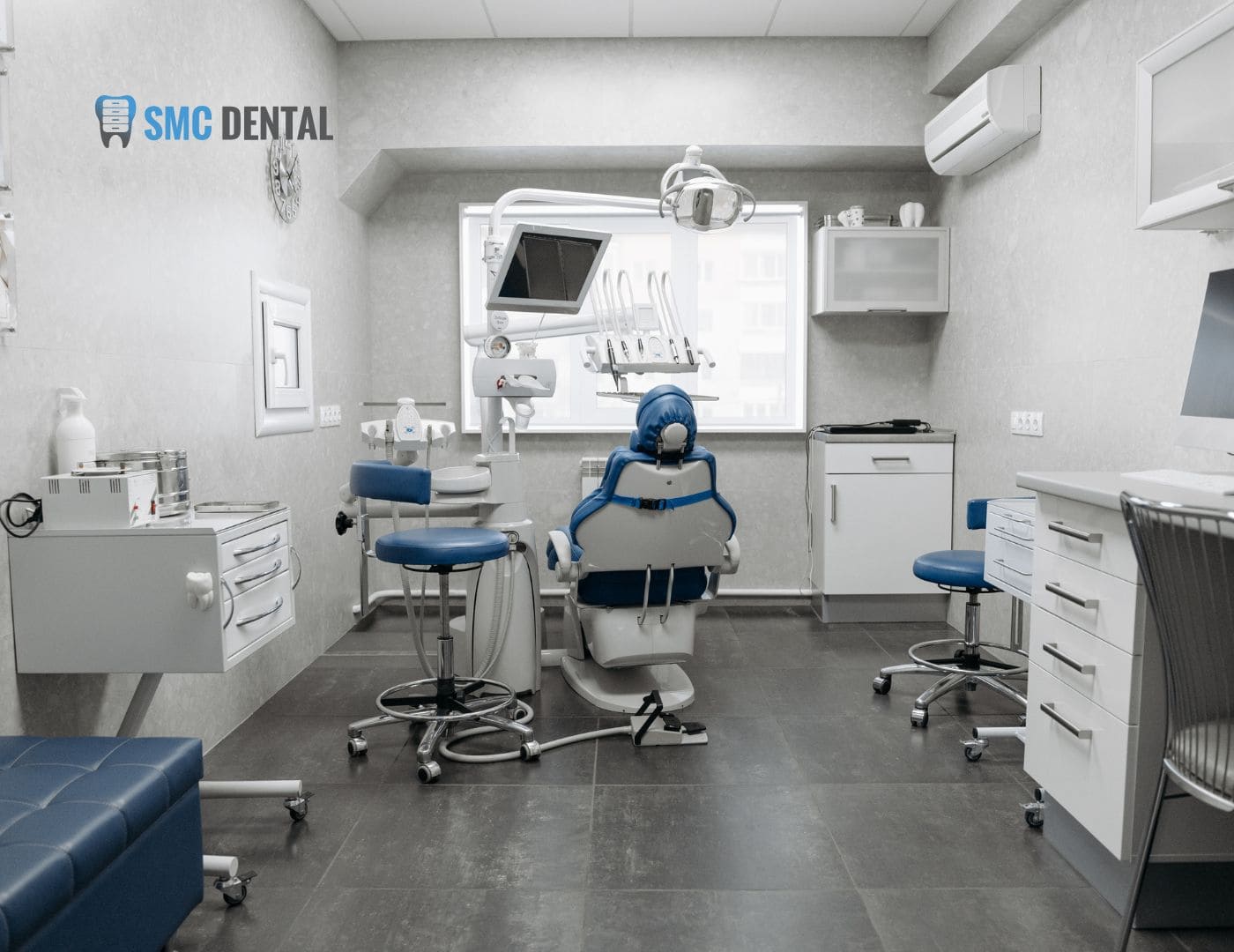
The best dental cabinetry material is one that stays smooth, sealed, and cleanable after years of daily disinfection. For most clinical areas, that comes down to two proven options: high-pressure laminate for cabinet surfaces and solid surface for countertops. Knowing how each performs, and where each belongs, helps you invest in cabinetry that still looks and works right long after installation.
Key Takeaways
- Clinical surfaces should be smooth, nonporous, and able to handle hospital-grade disinfectants.
- High-pressure laminate is durable and cost-effective, but its edges must be well sealed.
- Solid surface is seamless and nonporous, which makes it ideal for wet and high-contact areas.
- Many practices pair laminate cabinets with solid surface countertops.
- The cabinet box and interior matter as much as the visible finish.
What Makes a Good Dental Cabinetry Material?
Dental cabinetry faces conditions most cabinetry never sees: water, chemicals, heavy daily use, and constant wiping. A good material has to hold up to all of it without breaking down.
When comparing options, look for these qualities:
- Nonporous surface: Prevents fluids and microorganisms from soaking in.
- Moisture resistance: Resists swelling and delamination near sinks.
- Chemical resistance: Handles repeated use of hospital-grade disinfectants.
- Impact resistance: Stands up to instruments, trays, and equipment.
- Repairability: Allows scratches or minor damage to be fixed rather than replaced.
These qualities aren't just about durability. The Royal College of Dental Surgeons of Ontario's IPAC Standard says surfaces in clinical areas should be smooth, nonporous, and seamless where possible, and cleanable with hospital-grade products. It also calls for replacing worn or damaged items that can no longer be properly cleaned.
What Is High-Pressure Laminate?
High-pressure laminate (HPL) is made by bonding layers of resin-soaked paper under heat and pressure, then applying the finished sheet to a cabinet core. The result is a hard, durable surface available in a wide range of colours and patterns.
Strengths:
- Durable and resistant to everyday scratches and stains
- Wide choice of colours, woodgrains, and solid tones
- Cost-effective for large cabinet runs
Limitations:
- Edges and seams are its weak points if not properly sealed
- Water reaching the core can cause swelling over time
- Deep chips are difficult to repair invisibly
Where Does Laminate Work Best?
Laminate is a strong choice for cabinet doors, drawer fronts, and side panels throughout operatories and storage areas. It also works for countertops in drier zones, as long as sink cutouts and edges are carefully sealed.
What Is Solid Surface?
Solid surface is a manufactured material made from acrylic or polyester resins combined with mineral fillers. Unlike laminate, its colour and composition run through the full thickness of the material.
Strengths:
- Nonporous throughout, so liquids can't soak in
- Seams can be joined almost invisibly
- Sinks and backsplashes can be integrated into one continuous surface
- Scratches can often be sanded and refinished
Limitations:
- Higher upfront cost than laminate
- Can be affected by very hot items placed directly on the surface
Where Does Solid Surface Work Best?
Solid surface excels in wet and high-contact areas. Sterilization centres, operatory sink areas, and lab counters all benefit from its seamless, easy-to-disinfect finish.
In sterilization centres, integrated sinks and backsplashes also reduce the joints where splash and debris can collect.
Laminate vs Solid Surface: How Do They Compare?
| Factor | High-pressure laminate | Solid surface |
|---|---|---|
| Surface porosity | Nonporous face; edges need sealing | Nonporous throughout |
| Seams | Visible joints | Near-seamless |
| Moisture performance | Good if edges stay sealed | Excellent |
| Repairability | Limited | Often sandable and refinishable |
| Integrated sinks | No | Yes |
| Relative cost | Lower | Higher |
| Best for | Cabinet faces, drier counters | Sinks, sterilization, wet zones |
For most practices, the answer isn't one or the other. Laminate cabinets paired with solid surface countertops in wet areas give you durability where it counts while keeping overall cost in check.
Does the Cabinet Box Matter?
Yes, and it's often overlooked. The visible finish only performs as well as the core underneath it.
Quality dental cabinetry uses moisture-resistant core materials, sealed edges on every exposed surface, and durable interiors that are easy to wipe clean. Drawer boxes and hardware also need to handle hundreds of openings a day without loosening.
What About Wood and Metal?
Wood brings warmth to patient-facing spaces, but the RCDSO standard states that wood furnishings must not be used in clinical areas, because they can't be reliably disinfected. That makes wood a better fit for reception and other non-clinical spaces.
Metal, on the other hand, suits high-wear clinical zones and equipment areas, where impact and chemical resistance matter most.
How Should You Choose Materials by Room?
- Operatories: Laminate cabinets with solid surface around sinks and high-contact counters.
- Sterilization centre: Solid surface countertops with integrated sinks and splash barriers.
- Lab areas: Durable, chemical-resistant surfaces that tolerate materials and heat.
- Reception: Wood, laminate, or mixed finishes chosen for appearance and brand.
Whatever you choose, check each material's cleaning guidance against the disinfectants your team uses daily. For layout and placement guidance, see our operatory layout guide for Ontario practices.
How SMC Dental Inc. Helps You Choose Materials
Based in Concord, Ontario, SMC Dental Inc. designs, crafts, and installs custom dental cabinetry for practices across Ontario and beyond. Material selection is part of the design process, so each surface is matched to the room it serves.
- Guided material selection. SMC's dental cabinetry design and installation service offers a wide range of materials, finishes, and hardware, chosen around your workflow and infection control needs.
- Finishes built for clinical use. Custom dentist cabinets are available in durable laminates, hardwoods, and metals, with finishes designed for long-lasting durability and easy maintenance.
- Warm finishes where they fit. Reception and office millwork lets you use richer materials in patient-facing spaces while matching your clinical cabinetry.
Frequently Asked Questions
What is the best material for dental cabinets?
For most clinical areas, high-pressure laminate cabinets paired with solid surface countertops offer the best balance of durability, cleanability, and cost.
Is laminate good for dental cabinetry?
Yes. Laminate is durable, cleanable, and cost-effective for cabinet faces. Its performance depends on well-sealed edges, especially near water.
Why is solid surface used in sterilization areas?
Solid surface is nonporous throughout and nearly seamless, with options for integrated sinks. That makes it easier to keep clean in wet, high-contact areas.
Can I use wood cabinets in my dental office?
Wood works well in reception and other non-clinical spaces. In Ontario, the RCDSO standard states that wood furnishings must not be used in clinical areas.
How do I know if a material can handle my disinfectants?
Check the material manufacturer's cleaning guidance against the disinfectants your team uses. Your cabinetry designer can help match materials to your cleaning routine.
Choose the Right Dental Cabinetry Material for Each Room
The right dental cabinetry material depends on where it's used. Laminate delivers durable, cost-effective cabinet surfaces, while solid surface protects the wet, high-contact areas where seamless cleaning matters most. Matching each material to its room gives you quality dental cabinetry that lasts.
Ready to choose materials for your practice? Request a consultation with SMC Dental Inc., or call 1-888-402-2278 to discuss your project.