
Choosing Dental Cabinets for a More Efficient Practice in 2026
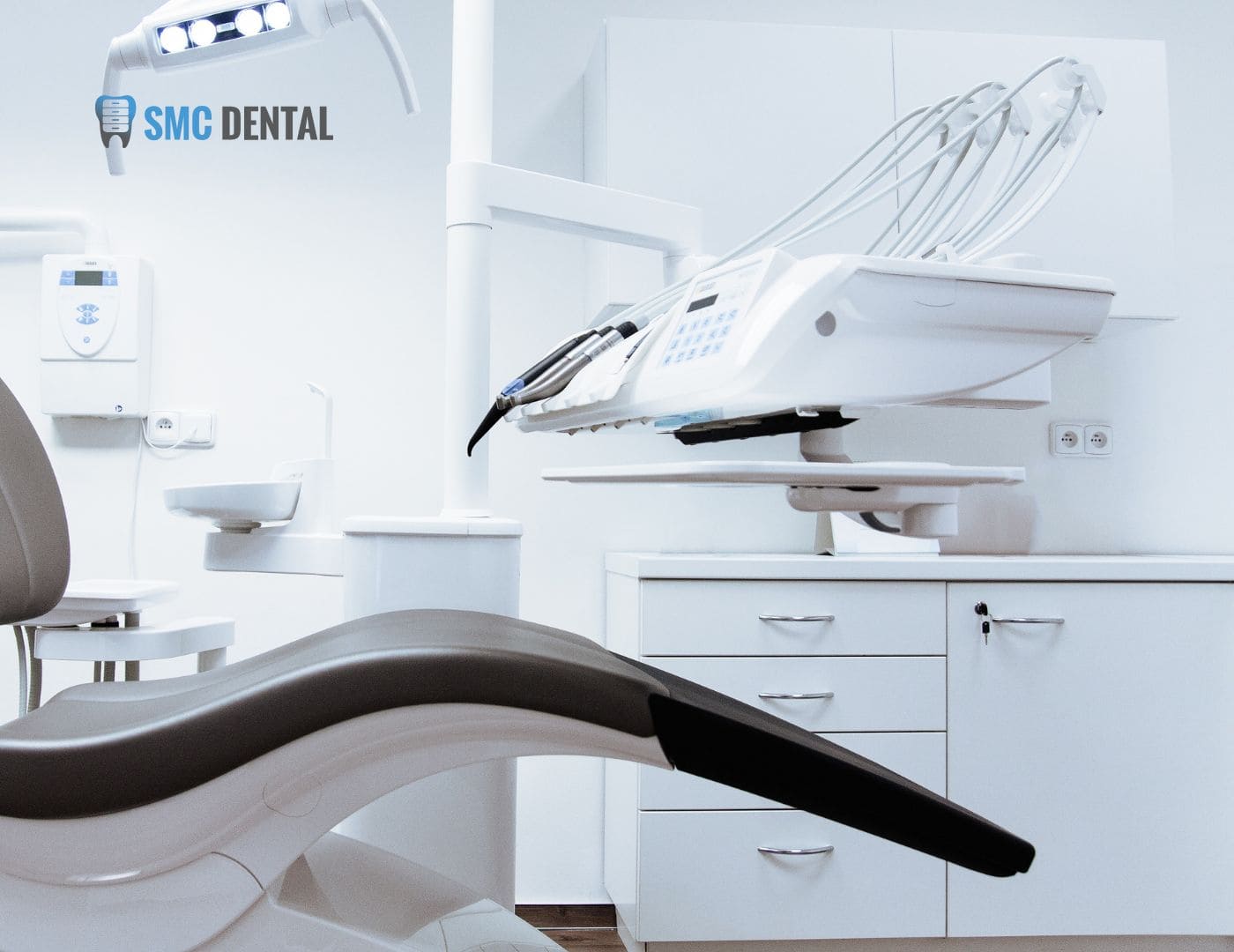
Choosing dental cabinets is about more than finishes and colours. The right cabinetry cuts wasted steps, keeps supplies within reach, speeds up cleaning between patients, and supports infection control every day. This guide walks through the six factors that matter most, so you can choose dental office cabinetry that makes your whole practice run more smoothly.
Key Takeaways
- Start with your team's workflow before choosing styles or finishes.
- Each room needs cabinets designed for its specific tasks.
- Storage organized by frequency of use saves time on every appointment.
- Cleanable, durable materials protect both infection control and your investment.
- Installation planning matters as much as the cabinets themselves.
What Should You Consider When Choosing Dental Cabinets?
Good dental cabinet selection balances six factors:
- Workflow: How your team moves and works in each room
- Room function: What each space needs to do
- Storage: What you store and how often you reach for it
- Materials: How surfaces handle cleaning and wear
- Custom vs modular: How closely cabinets need to fit your space
- Installation: How the work fits your schedule
Each one affects the others, so it helps to work through them in order.
1. Start With Workflow, Not Finishes
Dental practice efficiency comes from how people move, not how cabinets look. Before choosing styles, map how your clinicians, assistants, and hygienists work in each room, including who reaches for what and when.
Ask practical questions early:
- Does an assistant work chairside, or does the clinician work solo?
- Are any clinicians left-handed?
- Where do used instruments go after treatment?
- Which supplies get used on almost every patient?
How Does Cabinet Layout Affect Your Team?
Your dental cabinet layout directly affects posture and strain over a long career. The Canadian Centre for Occupational Health and Safety notes that poorly laid-out work areas can force awkward body positions, such as reaching behind the body or too far forward.
Ergonomic dental cabinetry places frequently used items within easy reach of each working position. That reduces twisting and stretching, and it also saves seconds on every task. For room sizes and placement, see our operatory layout guide for Ontario practices.
2. Match Cabinets to Each Room
Different rooms need different cabinetry. Treating every space the same usually leaves some rooms over-built and others short on storage.
| Room | Cabinet types | Features that improve efficiency |
|---|---|---|
| Treatment rooms | Rear, side, and mobile operatory cabinets | Supplies within reach, closed sterile storage, clear counters |
| Hygiene rooms | Compact side cabinetry | Short reach for solo hygienists |
| Sterilization centre | Continuous counter run with sinks and equipment bays | One-way dirty-to-clean flow, enclosed storage |
| Lab and storage | Work counters, tall storage | Organized bulk supplies, durable work surfaces |
| Reception | Front desk millwork | Organized admin storage, welcoming patient view |
3. Plan Storage Around How Your Team Works
The best dental clinic storage solutions are organized by how often items are used. Daily supplies belong closest to the chair, while backup stock can live in upper or central storage.
Good dental cabinet organization also means sizing drawers for what goes in them. Shallow, divided drawers suit small supplies, while deeper drawers fit cassettes and trays. Measuring your trays before finalizing drawers prevents wasted space.
How Does Storage Support Infection Control?
Enough storage keeps counters clear, which makes cleaning faster and more thorough. The Royal College of Dental Surgeons of Ontario's IPAC Standard calls for treatment areas to stay free of unnecessary equipment and supplies, especially on countertops.
The standard also requires sterile items to be kept in enclosed storage, away from sinks. Planning closed drawers and cabinets for sterile packs is a key part of choosing operatory cabinetry.
4. Choose Dental Cabinet Materials for Cleaning and Durability
Dental cabinet materials need to stay smooth, sealed, and cleanable after years of daily disinfection. In clinical areas, look for nonporous surfaces that handle hospital-grade disinfectants without breaking down.
- Laminate: Durable and cost-effective for cabinet faces, with well-sealed edges.
- Solid surface: Seamless and nonporous, well suited to sinks and wet areas.
- Metal: Strong for high-wear clinical zones.
- Wood: Best kept to reception, since the RCDSO standard says wood furnishings must not be used in clinical areas.
5. Decide Between Custom and Modular Cabinets
Custom dental cabinets are built to your exact room dimensions and equipment. Modular cabinets come in standard sizes that are combined to fill a space.
| Factor | Custom | Modular |
|---|---|---|
| Fit | Exact to room and equipment | Standard sizes, may leave gaps |
| Storage | Designed around your supplies | Fixed configurations |
| Design flexibility | High | Limited |
| Best for | Unique layouts, specialty rooms, brand-focused design | Standard rooms with straightforward needs |
For practices with irregular rooms, specialty workflows, or a strong design vision, custom cabinetry usually delivers better long-term efficiency.
6. Plan Installation Around Your Schedule
Dental cabinet installation affects your opening date or how long your practice is disrupted. Whether it's a new build or a dental office renovation, cabinetry should be planned early, once layout and equipment are confirmed.
To keep installation smooth:
- Confirm equipment specifications before cabinet drawings are finalized
- Coordinate your contractor, equipment dealer, and cabinetry team on utility locations
- Consider phased, room-by-room installation if you're staying open
How SMC Dental Inc. Helps You Choose the Right Cabinets
Based in Concord, Ontario, SMC Dental Inc. designs, crafts, and installs custom dental cabinetry for practices across Ontario and beyond. The team works with you from the first design consultation through final installation.
- Workflow-first design. SMC's dental cabinetry design and installation service considers your workflow, storage needs, and infection control measures, with installation planned to minimize disruption.
- Cabinets built for clinical use. Custom dentist cabinets offer ample storage, ergonomic design, and options like specialized instrument storage and easy-to-clean surfaces.
- A cohesive practice. Matching reception and office millwork ties your clinical and front-office spaces together.
Frequently Asked Questions
What is the most important factor when choosing dental cabinets?
Workflow. Cabinets that match how your team actually works save time on every appointment, while finishes can be chosen once the layout is right.
Are custom dental cabinets worth it?
For many practices, yes. Custom cabinets fit your exact space and equipment, which reduces wasted room and improves daily efficiency.
How do dental cabinets improve practice efficiency?
They keep supplies within reach, reduce unnecessary movement, keep counters clear for faster cleaning, and support a smooth flow of instruments between rooms.
What materials are best for dental office storage cabinets?
Nonporous, durable materials such as well-sealed laminate, solid surface, and metal work best in clinical areas. Wood is better suited to reception.
When should I choose cabinets during a dental office renovation?
Choose cabinets early, once your layout and equipment are confirmed. Cabinetry affects plumbing, suction, and power locations, so late decisions can mean rework.
Choosing Dental Cabinets That Work as Hard as Your Team
Choosing dental cabinets well starts with workflow, then matches each room, storage plan, and material to how your team works. With installation planned early, the result is cabinetry that saves time every day and supports your practice for years.
Ready to plan cabinetry for your practice? Request a consultation with SMC Dental Inc., or call 1-888-402-2278 to discuss your project.